WELCOME TO
FishEthoGroup

News
New podcast episode!
🐟🧠 Can fishes learn, remember, and solve problems? Absolutely!
When we think about animal learning, mammals and birds often come to mind. However, scientific research shows that fishes are also capable of learning.
In the latest episode of The Fish Mind programme at our Fish Talk podcast, Caroline Marques Maia and Pedro Duarte explore the fascinating world of fish learning, from habituation and conditioning to spatial learning and learning by observation.
We also look at some remarkable experiments: archerfish trained to recognise human faces in photographs, and goldfish that learned to navigate a room by controlling a motorised vehicle! 🚗🐠
Understanding how fishes learn is not only fascinating from a scientific perspective. It can also help us better understand their needs and behaviour, with important implications for fish welfare.
🎧 Listen to the new episode of The Fish Mind on Spotify here or through the FishEthoGroup poddcast page here.
(posted on 2026/10/22)
➜About us
FishEthoGroup is a team of motivated professionals focused on improving fish welfare based on their behaviours.
We develop scientific and applied actions to reach our goals by promoting research, helping to disseminate knowledge, giving consultancy, and training about fish welfare.
Want to know more about us? See information below.
Who we are
Who we are
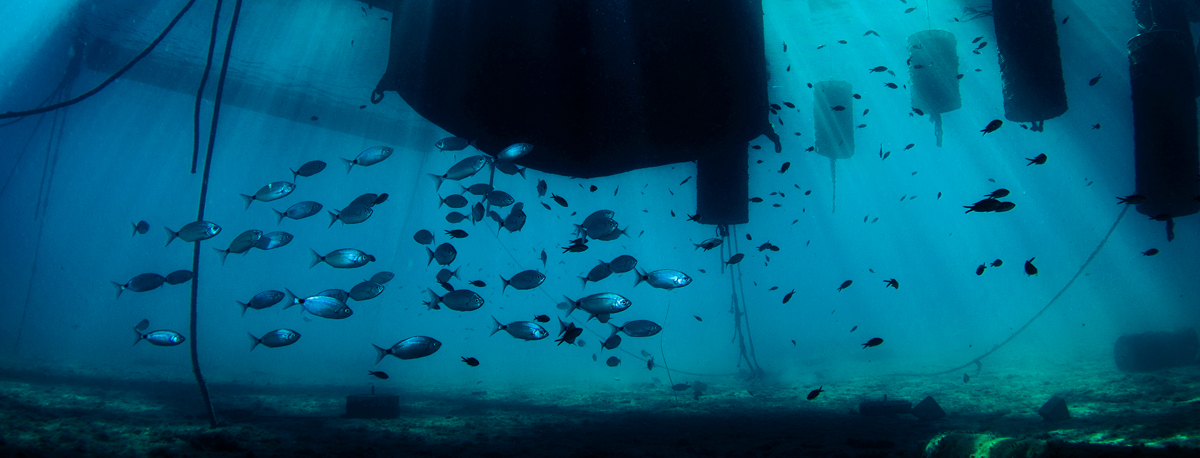
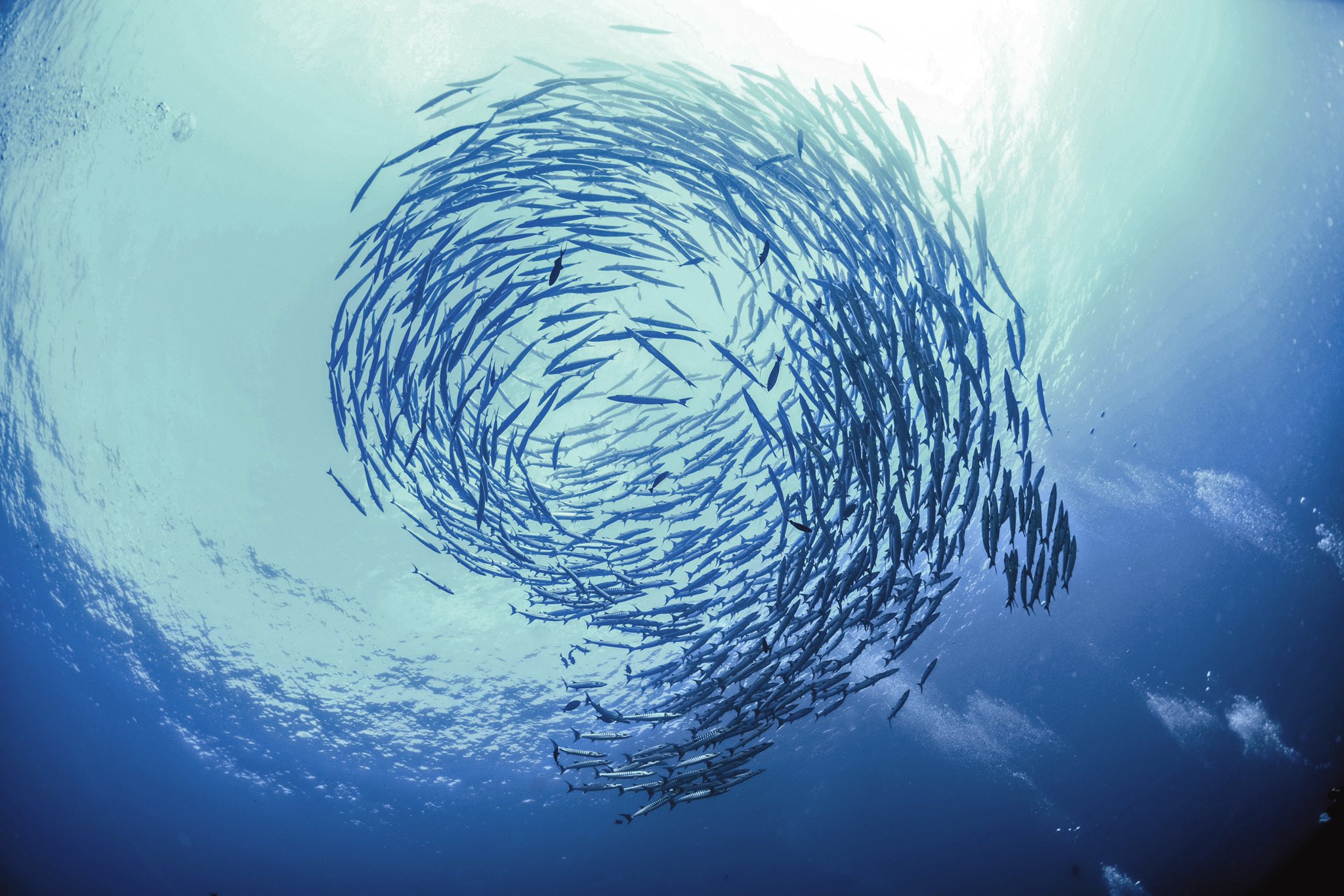
We are a non-profit association bridging the gaps between science and the stakeholders in the aquaculture sector: producers, certifiers, retailers, NGOs, policy makers and consumers. Our goal is to study and improve the welfare of farmed fishes and other aquatic animals by applying ethological scientific knowledge into best practices in fish farming.
➜
What we stand for
What we stand for
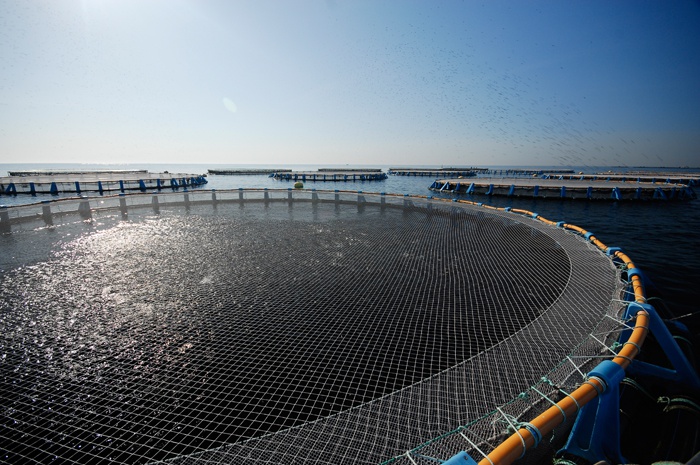
Throughout the years, our team has been involved in many areas of the aquaculture sector, from scientific research to campaigning, from auditing to policy. We use that expertise to promote the welfare of fishes through many initiatives with our partners and collaborators.
➜
What we do
What we do
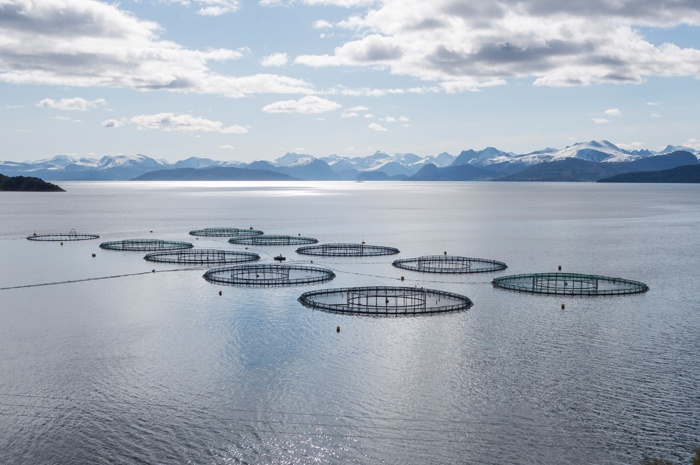
We develop science-based solutions to assess and improve the welfare of captive and wild-caught fishes. In our approach, we apply a strong background in aquaculture and ethology to address the welfare of fishes. We use state-of-the-art knowledge on the behaviour of a species to understand how its welfare is affected under farming conditions and what we can do to promote it.
➜
Contact
Partners and collaborations

















Need help?
If you are interested in scientific and technical expertise applied to welfare in fish farming, please contact us.
We develop custom-made welfare solutions for your initiatives, as consultancy in farms or other facilities, tailored courses, guidance, certification requirements or systems, specific research studies and welfare protocols (see What we do).
Questions? Suggestions? Drop us a line!
Or follow us on our social media!